Can I avoid knee replacement with regenerative medicine?

Regenerative medicine can repair injuries of the soft tissue tendons and ligaments of the knee. Beyond soft-tissue injuries common in the knee, regenerative medicine has shown great success in repairing degenerated cartilage beneath the kneecap (patella).

In the words of Dr. Lucy Hostetter…

“While I have a deep love for the practices of surgery and anesthesiology, I am excited to offer patients an alternative to surgery … a means to repair and restore themselves, so they can enjoy the lives they want and do what they love to do, without the pain and trauma of surgery. This is the direction in which all of medicine should be going … to help the body heal itself.”

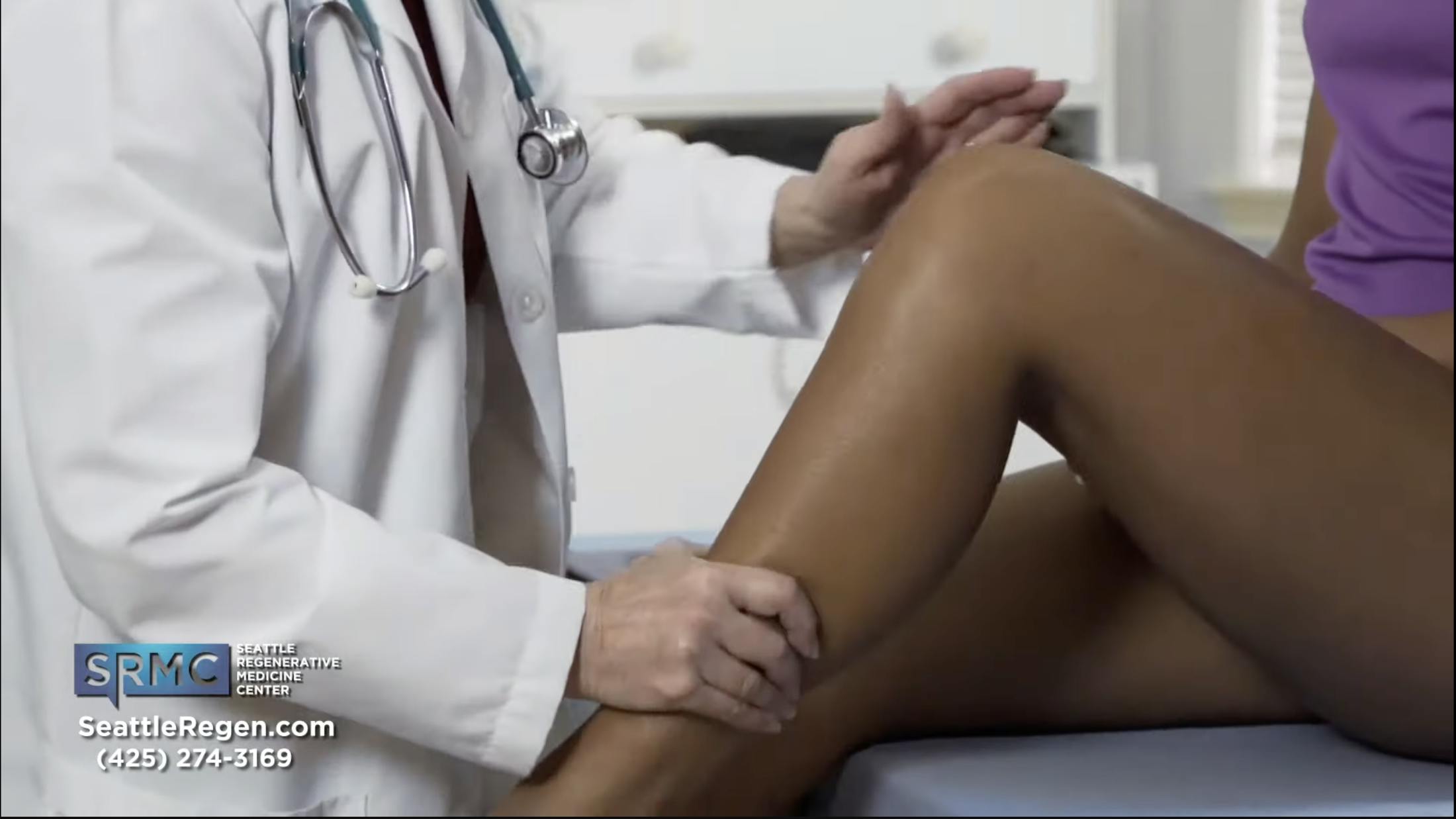
screen shot of doctor examining patient's leg

Regenerative medicine and joint preservation – a fresh approach to knee pain.

Dr. Hostetter settled in Seattle and has diligently worked to establish herself as an expert in regenerative cell therapy and joint preservation. She is committed to regenerative medicine's ability to restore orthopedic function, rejuvenate mental and emotional vitality, and relieve pain without relying on opioid drugs.


More About Dr. Hostetter

Banner media
woman in a black top and grey pants doing yoga on a rock

What are the alternatives to knee surgery in regenerative medicine?

Regenerative medicine is focused on promoting healing within the body and can offer knee pain sufferers an alternative to invasive surgical procedures that may not alleviate all the pain.

  • Autologous stem cell therapy (using your own stem cells)
  • Platelet Rich Plasma (PRP) (a concentration of platelets in your own blood)

What knee conditions can be treated with regenerative medicine?

Osteoarthritis:

Osteoarthritis is a condition that affects the joints. 

Torn ACL:

This is a tear in one of the ligaments in your knee.

Torn meniscus:

This is a condition where the cartilage on the knee becomes damaged.

Cartilage deterioration:

Cartilage can wear down over time, which might lead to pain and stiffness in the joint. 

Patellar Tendonitis:

A painful injury that makes it difficult to extend the knee during normal activity, often referred to as Jumper’s Knee. This condition often plagues athletes that participate in sports that include a lot of jumping, like basketball and volleyball, and is typically treated with anti-inflammatory drugs and physical therapy. Stem cells, in combination with PRP, have been shown to aid in recovery and restore non-painful use of your knee.

Chondromalacia patellae:

This is cartilaginous softening and fibrillation of the patellar bone cartilage; it can cause patellofemoral pain syndrome. PFPS is characterized by anterior knee pain. Stem cells have shown promise in aiding in the recovery of cartilage tissue, and a reduction of anterior knee pain.

Background media

Why choose Seattle Regenerative Medicine Center?

If you suffer from pain behind your knee, have been diagnosed with arthritis or you’re being told surgery is needed, there are minimally invasive, non-surgical options covered by most insurance providers and Medicare. At Seattle Regenerative Medicine Center, our doctors offer knee pain treatments that may delay or even eliminate the need for surgical options. 

If you experience knee joint pain, it’s important to locate the source and take care of it before it becomes more severe. We are the Northwest’s leading experts in treating sports injuries, arthritis, orthopedic injuries, & other conditions. Focused on healing patients from within, regenerative medicine offers a true alternative to invasive (and often ineffective) treatments.

About stem cell therapy for the knee

Mesenchymal stem cells are a significant advancement in regenerative medicine. These stem cells provide a way for pain sufferers to use their body's own biological response to injury to recover quickly. Stem cells can promote healing in sections of the body that often have low blood flow or are in constant use.

Learn More About Stem Cell Therapy

Banner media

PRP Injections to treat soft tissue injury of the ligaments and tendons

Treating soft tissue injuries that are often the result of repetitive activities, such as a torn ACL or torn Meniscus, can be difficult and slow going. PRP, or Platelet Rich Plasma, is a therapy where we take your plasma and separate out the platelets to create an increased concentration of them.

When injected into your injury site, this works similarly to stem cells by signaling your body to heal itself. The greater the concentration of platelets in the injection, the greater the response from your body's natural healing properties.

Learn More About PRP Therapy

there is a picture of a forest with a mountain in the background

FAQs

How long does it take to see results from knee stem cell or PRP therapy?

Is there downtime after stem cell or PRP treatment for the knee?

How are stem cells obtained for knee treatment?

Will I need more than one treatment?

How long does it take to see results from knee stem cell or PRP therapy?

Many patients begin to notice improvement within a few weeks, with continued progress over several months as the treatment stimulates the body's natural healing response. Timelines vary depending on the condition being treated and your overall health.

Is there downtime after stem cell or PRP treatment for the knee?

Downtime is minimal. Most patients return to normal daily activities within a day or two, though strenuous exercise and high-impact movement should be avoided for a short period as advised by your provider.

How are stem cells obtained for knee treatment?

Stem cells are typically harvested from your own bone marrow through a minimally invasive process, then concentrated and precisely injected into the injured area of the knee.

Will I need more than one treatment?

Many patients experience relief after a single treatment, but depending on the severity of your condition, your provider may recommend additional sessions to help you reach your goals.

Schedule A Consultation

healing your body for the long run

Contact Us
Contact us media
Accessibility: If you are vision-impaired or have some other impairment covered by the Americans with Disabilities Act or a similar law, and you wish to discuss potential accommodations related to using this website, please contact our Accessibility Manager at 425-454-0406.